
- The 2026 World Cup brought together players from three generations and vastly different backgrounds, all competing on the same field, on equal footing.
- On World Youth Skills Day, right in the middle of the World Cup, the IDB is putting front and center what the evidence makes clear: investing in young talent isn't optional. It's the most important play the region can make.
- Young voices, regional experts, and an agenda to make sure the region's talent doesn't go to waste.
What do Lionel Messi, Lucho Díaz, and Ronaldinho have in common? Before they were legends, they were all kids with a dream and a ball. Lionel Messi started in Argentina's youth academies at age 11. Ronaldinho made his first-team debut with Grêmio at 17. Luis Díaz rose to global fame during the 2021 Copa América, where he was the standout player for the Colombian national team and finished as the tournament's top scorer. What turned them into world football icons wasn't talent alone: it was the opportunities they had to develop it, and the skills they built along the way—perseverance, teamwork, adaptability, and resilience.
This 2026 World Cup is also the stage for a new generation making its debut in the world's biggest tournament. Lamine Yamal, who turned 19 during the tournament, became the second-youngest player ever to score an opening goal in a World Cup—behind only Pelé in 1958. Gilberto Mora, Mexico's 17-year-old midfielder, is the youngest player in the tournament. Ecuador's Kendry Páez and Brazil's Endrick are also just 19. Every one of them is here because, at some point, someone invested in their talent.
Skills, Youth, and Lifelong Learning
This FIFA World Cup 2026 is historic for many reasons: it's the first time the tournament features 48 national teams, with Mexico hosting alongside Canada and the United States. But it's also the first time so many generations have shared the same tournament at once.
Messi, at 38, and Ronaldo, at 41, each played their sixth World Cup—a record unlikely to be matched. And then there's Vozinha, Cabo Verde's 40-year-old goalkeeper, who turned pro at 25 and played in his first World Cup this year. He actually began his professional career in 2007—the same year Lamine Yamal was born. He picked up 17 million Instagram followers in a matter of hours. His story isn't just about an extraordinary goalkeeper: it's a story about learning how to learn, adapting, and building the skills needed to perform on the world's biggest stage.
What this World Cup teaches us is that skills matter at every stage of life, and that giving talent the right conditions at the right time is what determines the outcome. The same logic applies to development in Latin America and the Caribbean. That's why the Inter-American Development Bank (IDB) has placed skills development at the center of its strategic agenda guiding its operations, policy dialogue, and knowledge generation across the region.
The Real Scoreboard for Development on World Youth Skills Day
July 15, right in the middle of the World Cup, marks World Youth Skills Day, under the theme “Skills for a Shared Future.” The timing isn't a coincidence — both events put the same thing front and center: young talent. But while the World Cup only lasts a month, in development the game is played every single day. And the data from the IDB's new Education and Skills Thematic Framework show just how urgent it is to act.
In Latin America and the Caribbean:
- Only 19% of young people finish secondary school with even a minimum level of math proficiency. Among the poorest 20%, that figure drops to just 5%. (CIMA, 2022)
- 75% of 15-year-olds fall below the minimum proficiency level in math, compared to 31% across the OECD. (OECD, 2023; PISA)
- 85% of higher-income youth complete upper secondary school, compared to just 53% of lower-income youth. (IDB, Thematic Framework 2025–2030)
- Only 37% of young people ages 18 to 24 are enrolled in higher education, compared to 54% across the OECD. (IDB, Thematic Framework 2025–2030)
- The cost of inaction is enormous: three additional years of quality learning translate into 15% higher earnings and a two-percentage-point acceleration in GDP growth, sustained over four decades. (Hanushek & Woessmann, 2008; 2015)
To compete on the field of development and progress—where teams differ so widely in style and where their players come from—raw talent isn't enough. What's needed is training specific skills from an early age that can make the difference: inventing new plays that catch opponents off guard, having the discipline, resilience, and mental toughness to turn around a losing scoreline in the final minute, or reading the opposing team and your own teammates well enough to play better as a unit and find the best strategy.
Neuroscience backs this up: childhood and adolescence are the most powerful windows of opportunity for building these skills, thanks to the brain's exceptional plasticity at those stages. The same holds true for winning the development game.
Skills are built throughout a person's entire life—in the classroom, at work, in the community. The evidence is clear: three extra years of quality learning translate into 15% higher earnings and an additional two percentage points of economic growth, sustained over four decades."

The Full Field: From the Talent Pipeline to Today's Workforce
In football, there's a clear pathway from an early age—a structure in which academies develop and identify the best players and open the door for them to earn a starting spot on the top teams, both nationally and internationally.
The same is true for human capital development. The fundamental question is: how do we structurally transform the region's education and training systems to produce the talent every country needs? And that means looking at two things at once.
- On one hand, there's the “flow”—or, in football terms, the “pipeline”: the children and young people entering and moving through education and training systems. The challenge is helping them build strong foundational learning early on and make a successful transition from school to higher education, technical training, and employment.
- On the other hand, there's the “stock”, or, in football, the “current roster” or workforce: working-age people and the skills they've already built up—whether they're employed, looking for work, or outside the labor market. The future “starters.” The challenge is offering them chances to update their knowledge, gain new skills, or retrain in response to technological and economic shifts.
Pipeline and roster. New generations and existing talent. Present and future. That's the full field.

How the IDB is Investing in Talent to Support the Region's Pipeline and Its Starting Lineup
At the start of the World Cup, the IDB unveiled its skills development agenda and posed the question: what skills does the region need to win the Development World Cup?
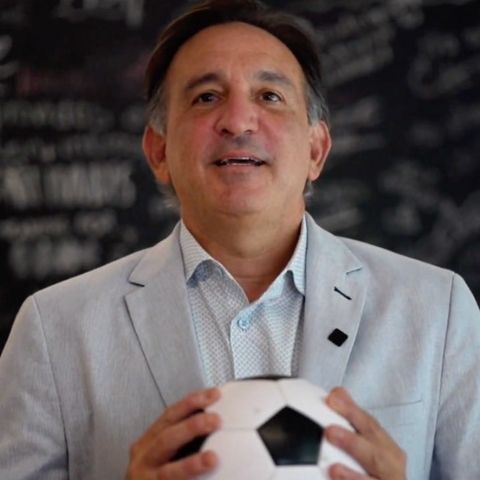
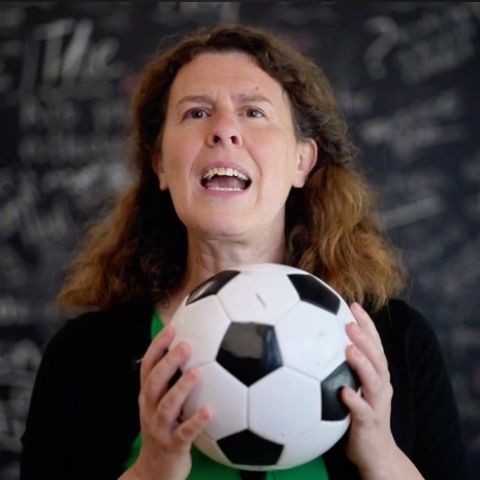
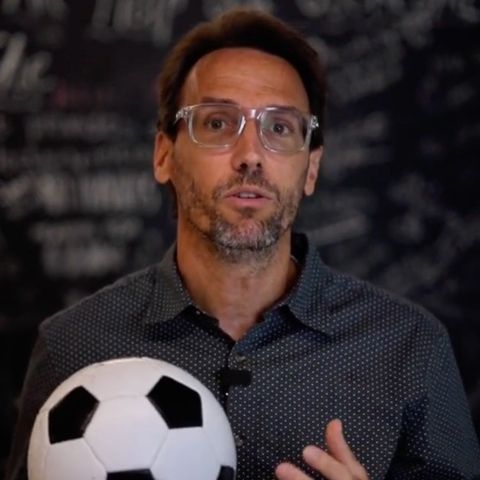
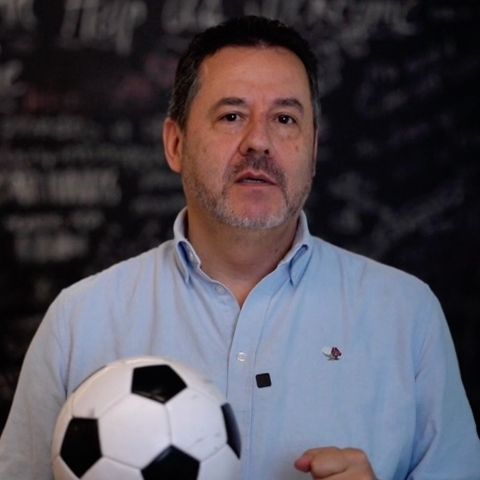
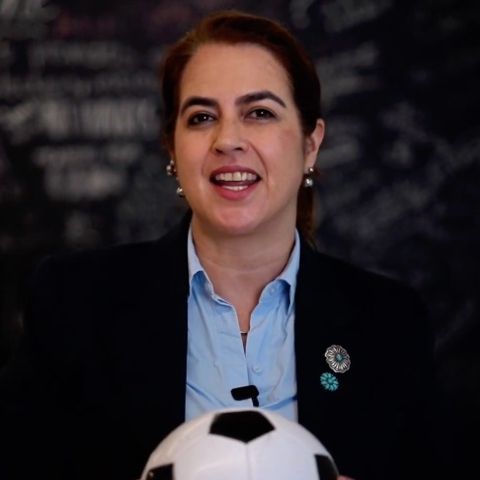
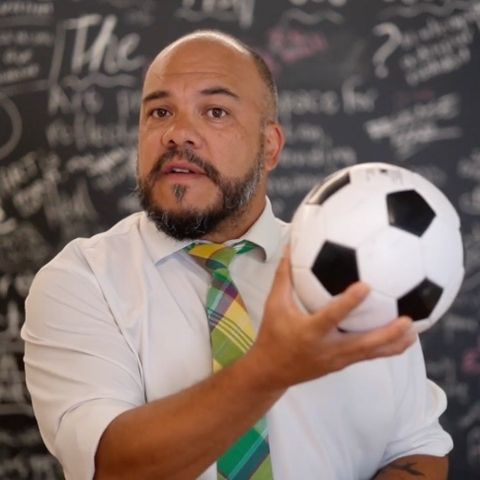
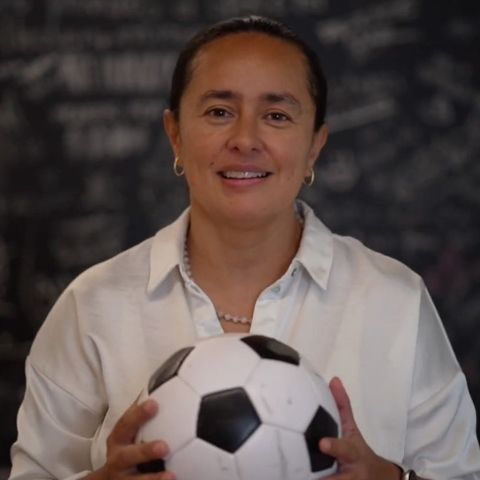
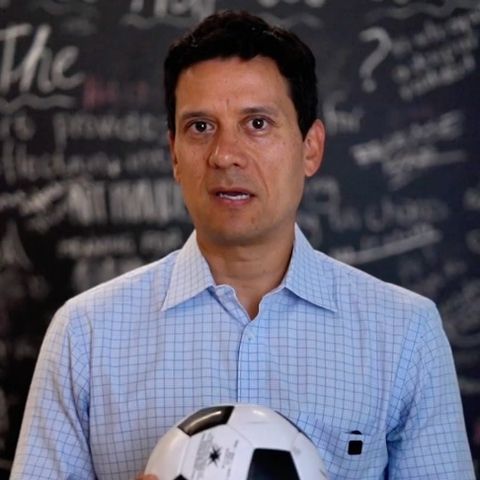
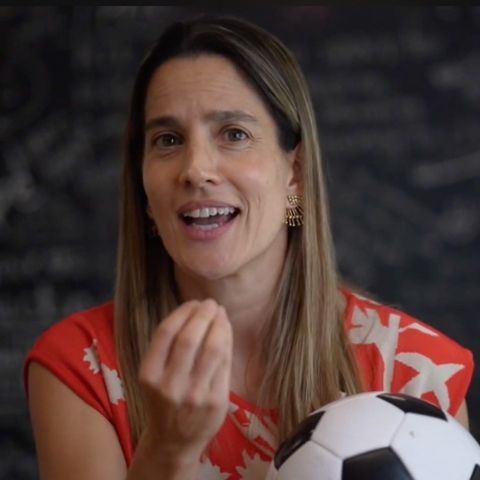
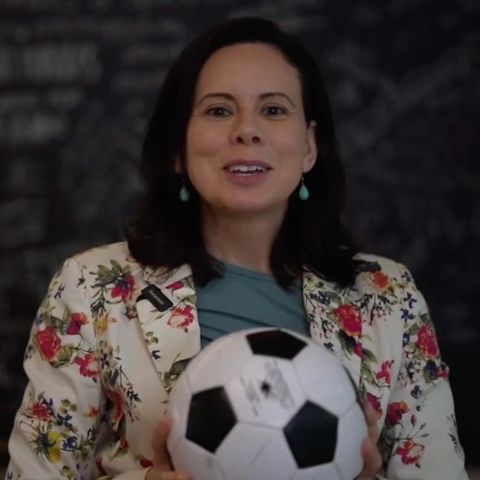
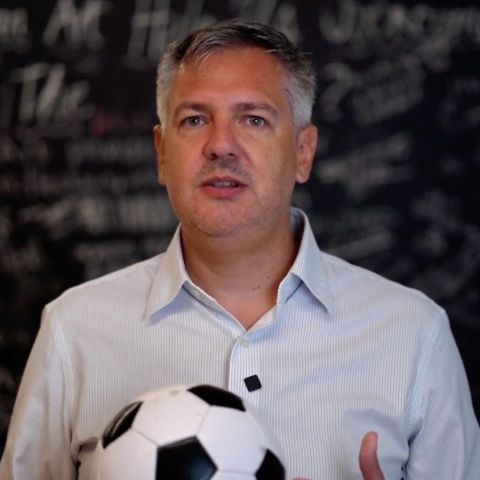
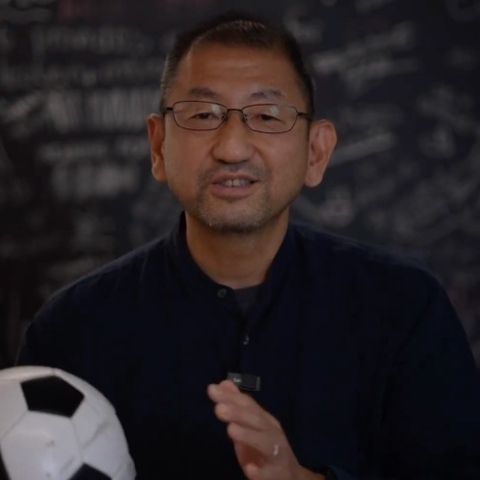
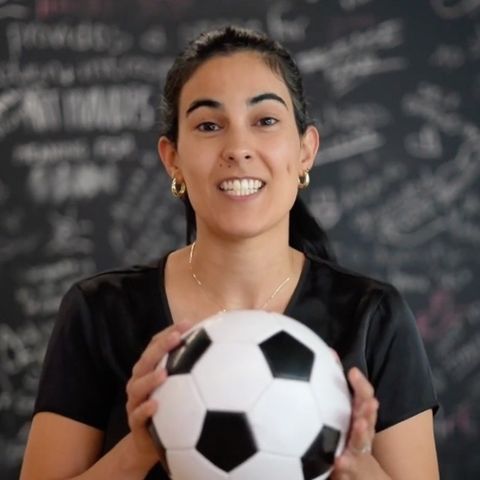
Then we did what any good team does: we passed the ball. We gave young people from Mexico, Haiti, Argentina, and Colombia the floor to share, in their own words, how the skills football teaches—discipline, teamwork, resilience in the face of failure—can transform their lives well beyond the field.
We also invited specialists from different fields to answer the same question, and their responses make one thing clear: young talent is indispensable.

| 
|
| 
|
| 
|
| 
|
| 
|
| 
|
| 
|
The Game Starts Today, and Young People Can't Wait
None of this World Cup's football stars reached the top without someone investing in their talent exactly when they needed it most. The region has millions of young people with the same potential as a Messi, a Ronaldinho, or a Lucho Díaz—to achieve their dreams in science, engineering, or whatever path they choose.
That gap won't close on its own. It requires flexible pathways for people who work and study at the same time, early-warning systems to prevent dropout, and real reskilling opportunities for the adults the system left behind.”
As part of World Youth Skills Day and the Development World Cup, the IDB will keep sharing evidence, ideas, and conversations about the skills that can transform Latin America and the Caribbean. Because this isn't just an agenda for the education sector—it's an agenda for every sector, every country, the whole region.
Pass it on. Because skills, like soccer, are built together. Learn more in this entry about how to turn the game around in the region.
____________
The IDB's Education and Skills Development Thematic Framework Document 2025–2030 guides our operational, policy dialogue, and knowledge generation activities across the region.