story
 ©Thiago Foresti / The Nature Conservancy The need for a new era of investment in Latin American infrastructure is clear and present. ©Thiago Foresti / The Nature Conservancy The need for a new era of investment in Latin American infrastructure is clear and present.
The imposing Buenos Aires is a metropolis full of contrasts. Its mix of urban design elements includes magnificent buildings with unique facades built in the early 20th Century. Its metro railway system (the first in Latin America) and state-of-the-art construction in the Puerto Madero feature the latest trends in modern architecture. And within this massive metropolis, right in the heart of Buenos Aires, is Barrio 31, whose singular history makes it a veritable sustainable urban development challenge.
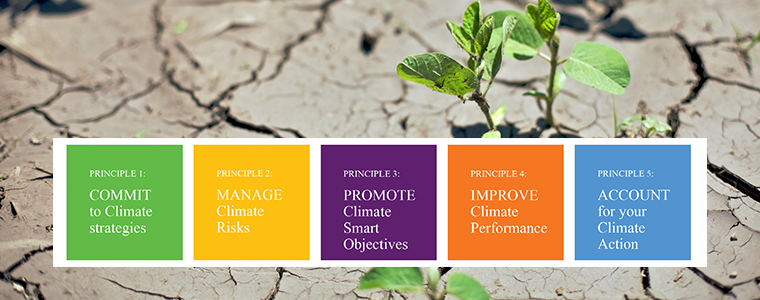 Climate Action in Financial Institutions - http://mainstreamingclimate.org - Clean energy, lower emissions, green jobs, adaptation and resiliency can be an opportunity for sustainable growth in developing and emerging countries where climate change is a threat to sustainable economic development.
Human activities are the major reason for the rise in greenhouse gas emissions and changes in the global climate system, according to the Intergovernmental Panel on Climate Change (IPCC). There is also evidence from all continents and oceans that regional climate change is affecting many natural systems.
The air pollution we breathe -not always visible- has damaging effects on living things and the environment. Air pollution challenges and solutions are primarily urban; that’s why, to achieve the ambition of the Paris Climate Agreement and SDG agenda, we better look at cities. Local and global urban pollutions are better addressed at the metropolitan level than at the municipal level.
Is it possible to achieve a no net loss, or even a net gain of biodiversity while maintaining economic growth? Biodiversity offsets can help achieve such a pressing goal. This emerging conservation strategy consists of actions that compensate for significant residual impacts arising from project development after prevention, minimization, and mitigation measures have been taken, following the mitigation hierarchy, in order to prevent a net loss of biodiversity.
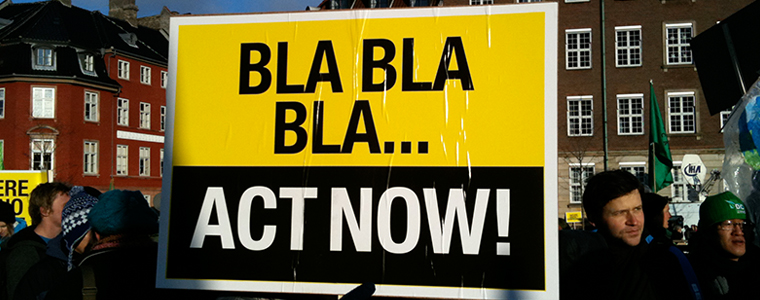 COPYRIGHT © by greens_climate (CC BY 2.0) - FLICKR The chang
In a context where almost 200 countries have already committed to reduce emissions to keep the planet alive, concrete action to protect life in the ocean is critical if we want to fully address climate change, maintain livelihoods dependent on the ocean and build resilience in the face of an uncertain future. Oceans, which cover more than 70% of Earth’s surface are important regulators of climate and absorb excess heat from our warming atmosphere. Coastal ecosystems such as mangroves, seagrasses and salt marshes also capture and store carbon dioxide.
We’ve all heard, on more than one occasion, that Latin America is the world’s pantry or the final frontier in agriculture, sayings that are under threat given climate change and variability projections. Twenty-two percent of the world’s cultivated land is expected to experienced negative impacts from climate change by the year 2050.
The term “white glove” can be commonly associated with providing meticulous and delicate attention to a service provided, and to “handle with care”. On this World Environment Day, we’d like to share a new approach that takes this concept and applies it to our natural world.