
- Millions of people in Latin America and the Caribbean require long-term care, which is provided primarily by unpaid family caregivers.
- Care responsibilities should be shared among families, governments, communities, and the market.
- Costa Rica’s SINCA shows how stronger institutions and tailored services can address the needs of both caregivers and people requiring support.
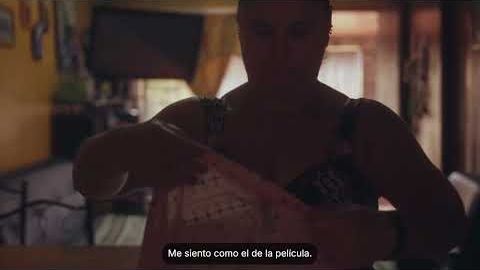
Yesenia is 48 and cares for Vilma, a woman with dementia. Every day, Vilma asks her who she is and what she is doing there, and every day Yesenia has to introduce herself again and earn her trust. Yesenia has a patient care assistant qualification and wants to continue her training. Thanks to the training she received, she also learned to set aside time for herself: going for a walk or exercising helps her stay well so she can provide better care.
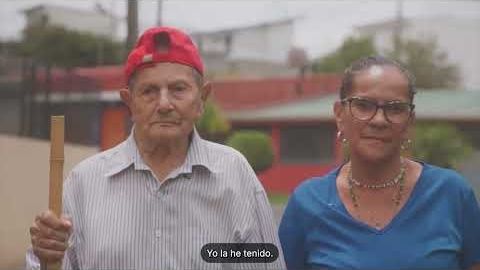
Isabel is 59 and cares for her parents, Rafael and María Isabel, every day: he has cancer and she has diabetes. When she received the palliative care instructions for her father, she had to learn to do things she had never even imagined doing, such as giving injections. Although caring has meant acquiring new knowledge and skills, she says that seeing her mother cook and her father at home makes her happy.
Stories like Yesenia’s and Isabel’s reflect a reality affecting millions of families in Latin America and the Caribbean. An estimated 8 million people in the region need help with daily activities, a figure that will continue to grow as the population ages rapidly. Behind them are also millions of family members and workers who provide care and need knowledge, tools, and support to do so.
That is why advancing toward stronger care systems is a priority for the region. At the Inter-American Development Bank (IDB), we work with countries in the region to develop policies and services that improve the quality of care and respond to the needs of both people who require support and those who care for them.
The family remains the main source of support for older people with functional care needs in the region: more than 75% receive care exclusively from family members. It is also estimated that there are currently nearly 25 million people who provide care without pay, while only 3 million receive any payment for this work.
But can families shoulder the difficult task of providing long-term care for a family member on their own? In some cases, care is complex and involves expenses that significantly affect the family budget. In others, caregivers, mainly women, must give up paid work to devote themselves to care because no one else can take on that responsibility, as private services are beyond the reach of many families. There is another challenge as well: people and households facing this task in silence and isolation, with weak or nonexistent family, neighborhood, and community support networks.
Like other countries in the region, Costa Rica has been working since 2021 to incorporate care as a new pillar of its social protection system. Its National Care and Support System (SINCA), led by the Mixed Institute for Social Assistance (IMAS), seeks to distribute care responsibilities among different actors in society, strengthening both institutional support and shared social responsibility. To that end, it promotes action in different areas:
- The state, through financing, a regulatory framework, and accessible public services.
- The market, by strengthening the supply of quality services and improving working conditions for paid care workers.
- Communities, by creating neighborhood and community support networks.
- Families, by promoting a more equitable distribution of care responsibilities among family members, with greater participation by men.
In this context, in addition to the creation of the regional IDB Cares platform, the aging agenda was prioritized in the IDB Group Country Strategy for Costa Rica in 2025, and the first loan entirely dedicated to improving the quality of life of people who need care was approved: older adults, people with disabilities who have high support needs, and caregivers.
This has given momentum to the institutional efforts of IMAS and the many institutions that make up SINCA to make the reality of care needs visible, identify the most vulnerable households, and diversify responses to meet different care needs.
If there is one lesson from SINCA in Costa Rica, it is that understanding what older adults with care needs and those who care for them require is essential to designing appropriate responses. The first step is to make that reality visible: to look “behind closed doors” and understand what the daily routine of care entails when a person depends on someone else to bathe, eat, or move around.
It is also essential to strengthen the institutional capacities that make a true caring society possible.
Through the support SINCA provides, caregivers like Yesenia and Isabel can access training, tools, and resources that enable them to provide better care while also protecting their own well-being.
Learn more about what it is like to care for older people with care needs in Costa Rica in these videos.
To learn more about the IDB’s work and access resources and information on care in Latin America and the Caribbean, visit IDB Cares.