Hurricanes batter Central Americakillinghundreds andcausingbillions of dollarsin losses.Wildfires destroy one-third of the Pantanal, the world\'s largest wetland, as droughtsearsBraziliancrops.Sea levels rise, coral reefs bleach and die, and glaciers retreat, leaving less fresh waterfor farming and human consumption.
The climatecrisis iswell underway. If thedestruction caused byweatherinrecentyearshasdevastated tourism, farming,andcountless other productive activities, it is but apreambleoffar worseimpactsin the decades to comeif nothing is done to curb climate change.A hotter planet will inflictlower agricultural yields, extensive damage to infrastructure,mass extinctionsand increases in disease anddeath on Latin America and the Caribbean.
Still not enough is being donein the face of this existential crisis.While governments takeurgentactionto ease the pain of theCOVID-19 pandemic withsubstantial fiscal and liquidity support packages,farless efforthas been expended tomake economies resilient to climate change and todecarbonize the energy, transport,and agricultural sectors.
Providing Pandemic Relief and Fighting Climate Change
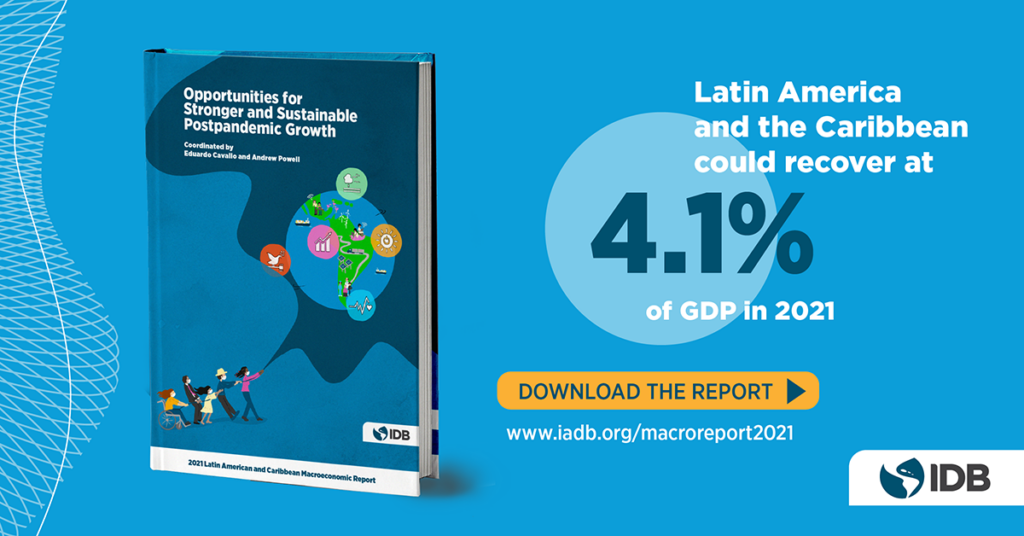
The good news, as I discuss in the recently released2021 Macroeconomic Report,is thatthereare synergiesbetweenpandemic relief and climate mitigation.A sustainable recoveryin Latin America and the Caribbeancan promote additional growth of more than 1% of GDP,generate15 million net new jobsand alleviate the hardship on poor and vulnerable households, who tend to be the most exposed and vulnerable to the ravages ofCOVID-19 and a rapidly warming climate. The key forgovernmentsis toprioritize green activities withintheirCOVID-relief spending programs, reformprices andregulations to leverage private finance,align fiscal strategies with thereality of theglobal energy transition, and ensure a just and inclusive transition.
A crucialstepis ensuring that public spending to help firms and householdsthroughthe pandemic also prioritizesinvestments in environmentally friendly activities.Public investment could focus on infrastructure that meets sustainability criteria,such asrenewable energy, public transport, flood protection,anddigitalization, which wouldincludebuildingcapacityso that people cancontinue teleworkingandremotely engage with the government. Governments should alsohelp workersaffected by the pandemicrelocateto sectors thatwill be part ofthe transition to a net-zero emissions economy.Countries with theabilityto do so shouldscreen pandemic and other stimulus measures for their climateimpact and conditionsupport for carbon-intensive firms, such as airlines and energy companies,on their commitment to move towards a carbon-free future.
Crowding-in the Private Sector withRegulatoryand PriceReform
Tounleash the private sector and ensure thatimpactsare sustained,public spending should be paired withregulatory reforms.In Chile, the government helped private bus operators to move from diesel-powered vehicles to electrical and climate-friendly ones.The latterrequirea greater initial investment, which drivers cannot always afford.Sothe governmentallowedelectricity utilities to own the vehicles and lease them to the bus operators.Reforms ofregulations surrounding connections to high-voltage transmission linesandnet-metering, among others, can similarly encourage householdsand utilitiesto move from a dependence on fossil-fuel energy to renewable energy.
Price reformswillalso be needed. On average, countries in the region spend 1% of their GDP on energy subsidies, including for gasoline, diesel and natural gas, a sum that amounted toUS$44 billion in 2017. Instead of subsidizing pollution, governments shouldspend more on direct cash transfersto households most in need, sustainable infrastructure, and public goods such as health and education.
Reforms related to agriculture andforestsare key.Much of Costa Rica\'sNational Decarbonization Plan, which intends to get the country to net-zero greenhouse gas emissions by 2050,involves updating agriculture and livestock practicesandleveragingforests and other high-carbon ecosystemsto capture carbon.These changes will not hurt the economy; rathertheywill help it. Increased agricultural yields under the plan, better livestock productivity, and the monetization of ecosystem services, including the sale of renewable forestry products and enhanced tourism, aretogetherexpected to bringUS$21 billionin net benefitsby 2050.
The Problem of Revenuein the Climate Transition
Governments alsowill have to adjust in the face of changes in theirtax bases. Between 2013 and 2018, sales of fossil fuels represented more than 5% of public revenues in Bolivia, Ecuador, Trinidad and Tobago, and Mexico.For other countries, like Uruguay and Costa Rica, gas and diesel taxes make up a significant share of the tax base. Asthe global energy transitionadvances,demand for fossil fuels will drop. If the global energy transition proceeds as planned,demand for oil from the region will bedown 60% in 2035compared to pre-COVIDlevels.
Governments need to identify the fiscal risksassociated with a move to different energy sourcesand develop a strategy to reduce and manage it. This entailsdelaying or cancelling investments thatfurtherdependenceon fossil fuels, like natural gas power plants, and replacing revenues from fossil fuel taxes. Newor reformedtaxeson vehicle ownershipandelectricityare examples.Value-addedtaxesare also an option.
ComingTogether for a moreSustainableFuture
Finally, the transition has to be just and inclusive. Workers have to be protected. While ajoint studyby the International Labour Organization and the IDB found that countries can create 15 million net new jobs by 2030 in the move to a zero-emissions economy, there will be winners and losers. Employment in coal, diesel, and natural gas-based electricity and generation will fall dramatically just as jobs in plant-based agriculture, renewableelectricity,and forestry soar. Workers and communities harmed by the transition will need retraining or compensation, a guarantee of decent working conditions and input into the decisions affecting them.
The demands of theCOVID-19 crisis are immediate and critical. But so is the longer-term and potentially more devastating crisis of climate change. Most countries in the region have either officially embraced the goal ofcarbon neutralityor are said to be working on it.Governmentsmust accelerate theirclimateplansanddesign themwith inputs from all affected stakeholders. Done right, the transition to a net-zero emissions economy can be win-win, creating jobs and improving economic growth both now and long after the pandemic has passed.