
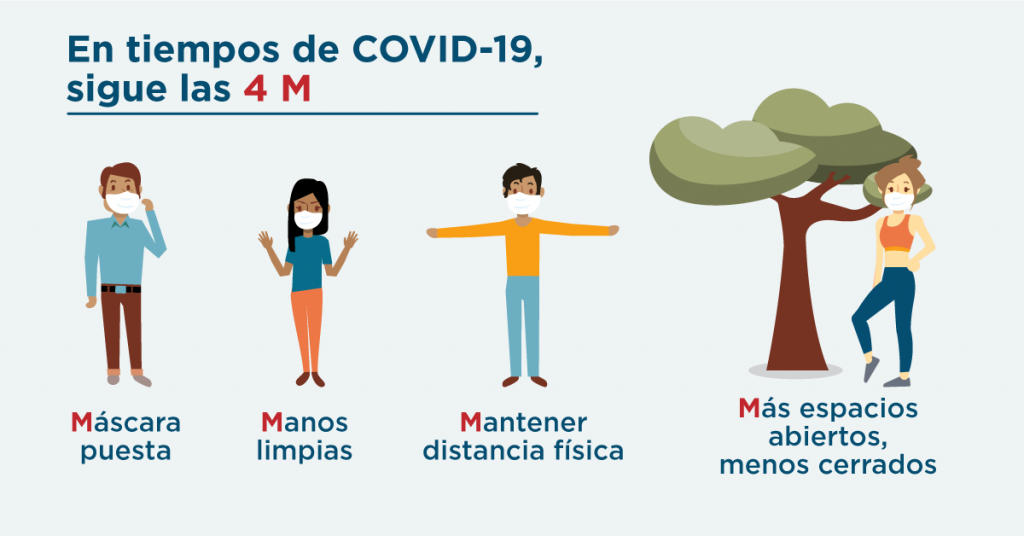
Since the COVID-19 pandemic began more than a year ago, much has been learned about how infection can be prevented. In particular, the scientific consensus holds that certain human behaviors, like social distancing, the avoidance of indoor gatherings, and the use of face masks, are powerful and effective at helping prevent the virus\'s spread. Nonetheless, many people continue to meet with friends indoors, participate in social events, and walk about without masks. All this has helped propagate the virus, with peaks of confirmed cases often occurring a few weeks after work vacations and religious or national holidays.
Humandecisions, as we know,do not always follow the pattern that we would expectfromarational model.Inmany cases, behavioral biases take rein anddeterminedecisions. If the pandemic is to be containedandfuture ones better managed,it is crucial to understandwhypeopleengage in conduct thatisinconsistent with scientific evidence and public health guidelines.
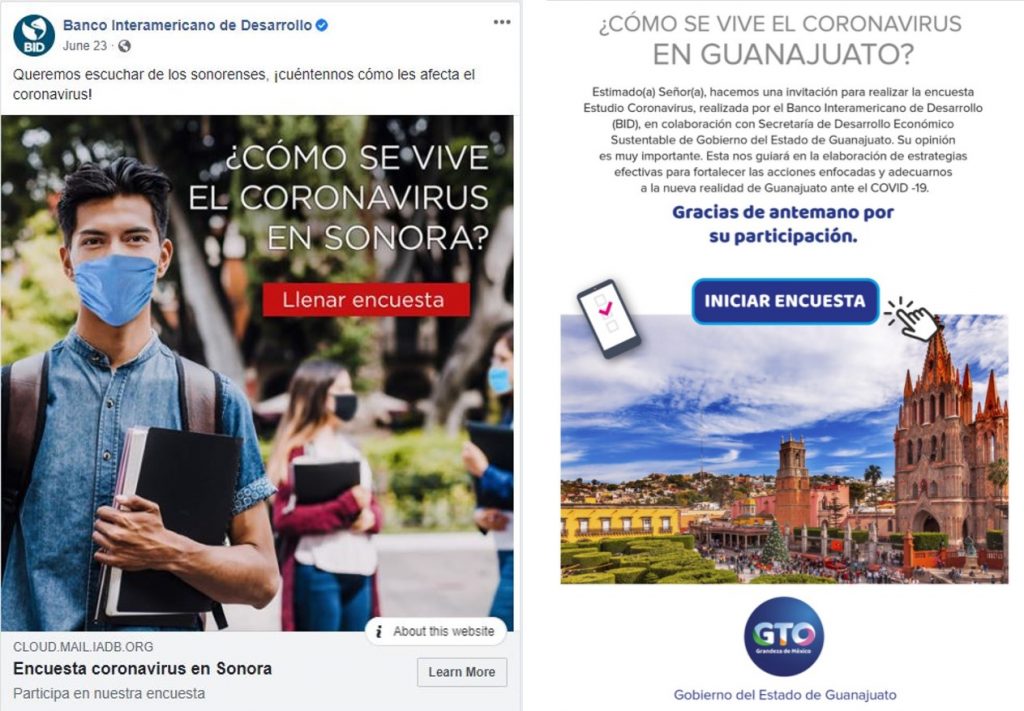
The problem doesnot seem to be a lack of information or ignorance.As far back as May 2020, about 80% ofsurvey respondents in the United Statesagreed that gatherings oftenor more people should beprohibited.In Mexico, 82% of thosesurveyed in April 2020approved of the public health guidelines, includingrestrictions on mass gatherings.According todifferentdata we gathered in Mexico using a Facebook recruitment campaign, 73% of peoplewere awarethat gathering in enclosed spaces, such as restaurants, representeda high risk for contracting COVID-19. Still, about 43%of the intervieweesfrom that campaignin Mexicoadmittedtohaving visited friends and family in their homes during thepreviousweek.
Behavioral Biases
Why do peopleact in defiance of their own knowledge?Andwhy do theygather indoors withallthe high riskit entails?The reasons are many.To start with,we all tend to suffer from optimism bias.Thisis a cognitive bias that causesustounderestimate the probability of somethingbad happeningto usand overestimate the probability ofan event or actionhavinga favorable outcome.We also suffer frompresent bias,givingstronger weight to payoffs that are closer to the present.That is,we care a lot about theimmediate future—going to a party—andoverlydiscount themore distantfuture—the consequences ofbecoming infected if we dogo to the party.These biases can be powerful, and at the IDB,we have been workingwith governments to design campaigns thattake into accounttheirrolein decision-makingto reduce COVID-19 infections.
The Impact of Social Norms
In a recentarticle, DéborahMartínez, Cristina Parilli,AlbertoSimpser,and Ialsoinvestigate theimpactof social normsonpeople\'sdecisionsregardingsocial gatherings.We do so by conducting a survey experiment on more than 23,000 individuals in Mexico. The experiment consists of a vignette, described in the form of a story, depicting a fictional individual, Mariana, who has been invited to attend a friend’s birthdaypartyand must decide whethershe will go. Itportrays a situation that most Mexicans can relate to (birthday celebrations) and what the literature highlights to betherelevantsocialnetworkduring the pandemic (family and friends).The vignette isalso relevant becausesuch gatheringshaveoften becomesuper-spreaderevents.
The treatments randomly assign respondents to differentprompts regardingsocial norms. Theyprovideinformation on Mariana’s beliefs about: (i) whether other invitees will attend the gathering (empirical expectations) and (ii) whether other invitees approve of peopleattending (normative expectations). After being exposed to the social norms prompt, respondents are asked whether they believe Mariana willgo to the partyand whethersheshould.
We findthat the prompt about whether others are likely togohas a strong effect on the respondent’s prediction as to whether Mariana willalsogo.Our study shows that predicted compliance with social norms is greatest when the fictional character in the vignette, Mariana,i) expects few of her friends toattend and ii) believes few of her friends would approve of herdoing so.Whenever either of these conditions fails to hold (or both do), predicted attendance rises significantly. Specifically, respondents assigned tothe treatment groupson average expected that Mariana would be about 7 percentage points more likely togo to the partythan those assigned tothe baseline condition, the scenario where Mariana expected few friends to attend and few friends to approve ofdoing so.This is a large effect, equivalent to 28% of the predicted probability that Mariana wouldgo to the partyin thebaseline category.
Theseresultsare in line withthose insettings other than the current COVID-19 pandemic thatshow thatindividuals tend to conform to what they perceive is the prevailing behavior. Interestingly, we find no effect of any of the treatments on respondent predictions about what Mariana ought to do:The overwhelming majority believe sheshouldn\'tgo to the party.
Designing Communication Strategies in the Fight Against COVID-19
Our findingsare particularly important for the design of communication strategies in both the public and private sectors. Highlightingthat othersare notfollowing health guidelinesis likely to reducepeople\'s willingness to follow those recommendations.Thatcouldalsobe an unintended byproduct of news coverage aboutpeople who flout the norms.Politicization ofpublic healthguidelines, and active and public repudiations of norms, can also lead toanerosionin the number of people who hew to the prescribedbehavior.At the same time,targeting normative expectations—what people ought to be doing—is unlikelyto induce the desired behaviors unless people also expect others to comply. The solution instead seemsto lie inhighlighting others’ compliance andwhat they should do (thenormative expectations)at the same time. That approach islikely to play an essential role in any successful information campaignencouraging peopleto adopt preventive behaviors.