Implementing projects in the public sector is no easy task. It’s a combination of science and art. Case studies tend to focus on the “science” — the technical factors that influenced a reform, whether successful or not.
At the Inter-American Development Bank (IDB), we are developing a new series of case studies that focus more on the “art”. They explore valuable lessons learned by implementers in the region that facilitated the successful implementation of a reform. These cases are written as if you were sitting down with a friend over coffee, receiving their best advice based on real experiences.
The strategic triangle for strengthening state capacity
The IDB team working on the cases focuses on understanding how to improve project implementation. Based on our analysis of literature and our experience working with various governments in the region and around the world, we have identified three key elements for successful project implementation that must occur simultaneously. We call this the “strategic triangle for strengthening state capacities.”
First, there must be a technically sound design that responds to the specific needs of targeted beneficiaries of the reform.
Second, the generation of administrative capacities necessary to execute the strategy. This includes modifying accountability relationships so that users take ownership of the reform and implement it.
The third dimension of the triangle involves building the conditions for governance that will legitimize and enable reform.
In this blog, we reveal how the implementation team in the City of Buenos Aires (CABA) successfully carried out the government digitization reform. You can adapt these lessons and strategies to your own context and needs.
1. Strategic Implementation Decisions from the Design Stage
The best way to learn is to analyze the successes and failures of others. This is precisely what the CABA team did. They examined similar experiences in Canada, Spain, and the United States to inform their decisions and create a solid design, the first element of the triangle.
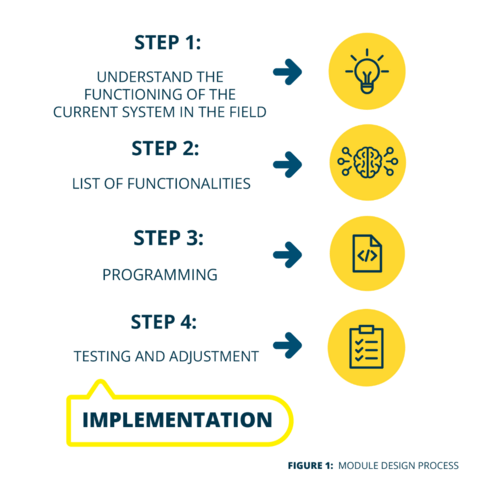
The two lessons learned are fundamental. First, the design must be user-centered and not just focused on the operational functionality of the systems. Although this sounds obvious, it is not what we have seen in practice, for example, in financial system reforms.
Second, it is crucial to thoroughly understand the existing system before making any changes. In project design, we often jump to the solution without first understanding the problem's causes. This urgency to act can produce the opposite of the desired effect. Instead, the CABA team followed the outline presented in Figure 1.
2. Innovative Strategies for Implementing Reforms
One of the most enjoyable aspects of writing in these cases was hearing from the implementers about how they developed their strategies for implementing the reforms. The CABA team shared two strategies for strengthening the administrative capacity needed for reform (the second element of the triangle).
The Trojan Horse Strategy: To reduce user resistance to digitization, the team started with the most innocuous module. Official Communications. This module worked like an email, helping officials become familiar with the system.
The Water Trough Strategy: It is an analogy of a shepherd who, instead of going out to look for his sheep, closes all the water troughs except one, forcing the sheep to come to the one remaining. The CABA team identified an essential procedure for all entities, requiring them to use the system and overcome the challenges they encountered.
3. Addressing Resistance to Change
Resistance to change is inevitable. Recognizing this, the team leading the reform developed strategies to secure the support of key stakeholders, ranging from users to the mayor's office. They combined actions such as building rapport with public officials to reduce resistance, strategies to de-escalate conflict, and support from the highest authority to make the reform viable.
Stay connected
Successful project implementation requires all the help we can get. Learning from others' successes and failures can be a shortcut to achieving this goal. This series of case studies aims to convey the knowledge of public administration professionals in the region who focus on project implementation to facilitate the work of those who follow.
Join ImplementaLAC to access proven tools for public policy implementation, connect with experts, and be part of a community driving public sector reform.