
A great teacher can inspire students, build confidence, and shape their future. But what happens when students rarely see teachers or principals who look like them? These gaps not only shape students’ academic experiences but also influence their aspirations, learning outcomes, and long-term opportunities.
Key Findings About Teacher Representation in the Classroom
Our study, which analyzed data from more than five million teachers across 21 countries, provides new insights into the composition of the school workforce in the region:
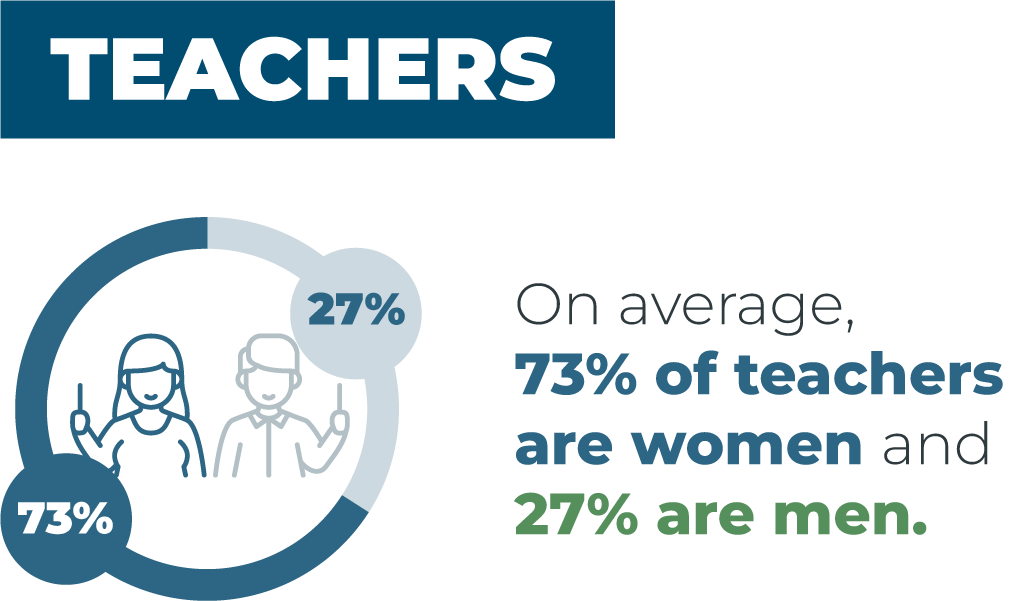
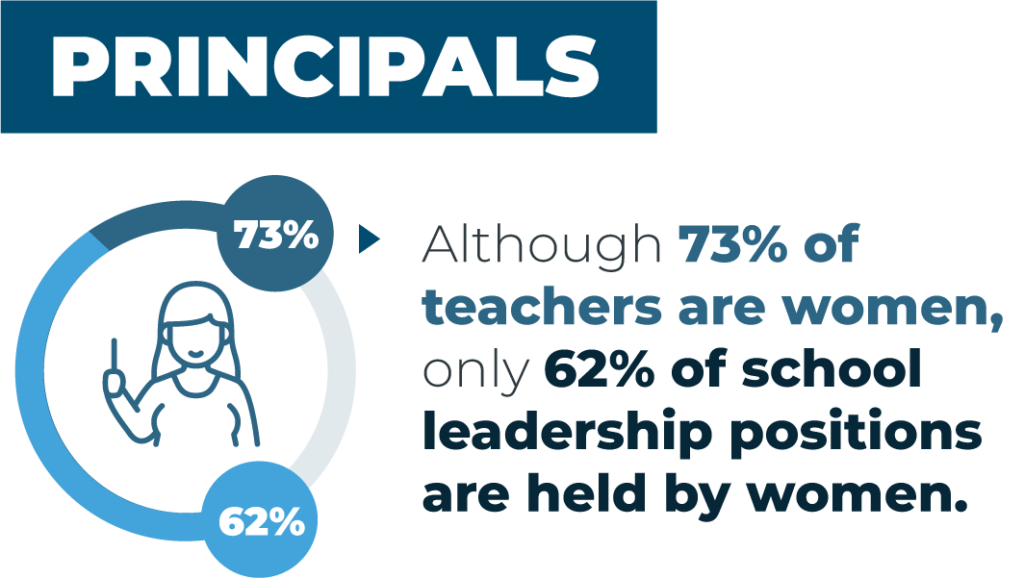
- Most teachers are women, but fewer reach leadership roles. Women make up 73 percent of teachers, yet they hold only 62 percent of principal positions. While 97 percent of early childhood educators are women, this number drops to 76 percent in elementary education and 59 percent in high school.
- Fewer male teachers in early grades, fewer female teachers in science and math. Young boys in early grades rarely have male teachers, which may affect how they engage with school and learning. Meanwhile, in high school, less than half of math and physics teachers are women. This lack of female role models in STEM (science, technology, engineering and math) discourages young women from pursuing careers in these fields, reinforcing existing wage gaps and career inequalities.
- Disparities also exist between urban and rural schools. Women are more likely to teach in urban areas, while Afro-descendant and Indigenous male teachers are overrepresented in rural schools.
Why These Gaps Matter
Research shows that students benefit when they have teachers who share their background or experiences. When this happens, they are more likely to perform better academically and complete high school. Moreover, this type of school leadership has been linked to improved discipline policies, lower dropout rates, and better college readiness.
Importantly, a school workforce that reflects the student body benefits all students. When young people see teachers and leaders who look like them, they are more likely to feel a sense of belonging, set higher aspirations, and stay engaged in their education. These educators help break down stereotypes and foster more inclusive learning environments, benefiting both minority and majority students alike.
What Can Be Done?
Addressing these gaps requires four concrete steps to attract and support teachers at all levels:
- Encouraging more men to teach in early grades and more women to enter STEM teaching careers.
- Making principals’ selection more transparent to ensure qualified candidates from all backgrounds have equal opportunities.
- Providing mentorship and support programs for teachers looking to advance into leadership roles.
- Improving data collection so countries can better track who is teaching and leading schools.
The people in front of the classroom shape not just what students learn, but also what they believe is possible for their future. Strengthening the teacher workforce is a critical step in improving education across Latin America and the Caribbean. Investing in a more varied school workforce is a key step toward better educational outcomes for all.