
The crisis caused by the coronavirus reminds us of modern society's dependence on electricity. This reliance is particularly evident in hospitals where electricity is needed to operate fans, refrigerators and other medical equipment; for communication between society and government; for production continuity (through teleworking schemes; education through online studies; and entertainment to cope with isolation or quarantine. Guaranteeing access to energy services depends on infrastructure, its operation and maintenance, on the availability of fuels and on the affordability of services for all users, particularly those with lower incomes. Infrastructure, in the vast majority of cases, should not be a major constraint in the short and medium term. According to initial estimates in Asian and European countries which have been most severely affected by this situation, and that have resorted to isolation or quarantine arrangements, electricity demand has decreased between 15 and 20%. However, for countries in Latin America and the Caribbean, this value will depend on the characteristics of demand and their dependence on economic activity. That same effect may be much greater in a tourism-dependent economy and much less in economies where a good part of electricity demand depends on residential consumption. The good news is that if the systems are operated properly and if there are no specific limits on the network, the countries’ generation availability will not be impacted. In systems where the quality is not adequate (for example, frequent interruptions or isolated systems with few hours of access to energy per day), the priority will be to avoid electricity shortages to residential users and, most importantly, to health centers and other essential services needed to attend the emergency. In these circumstances, a backup infrastructure may be required to guarantee supply. To guarantee the operation of the infrastructure, it is essential to consider working conditions in the sector to ensure the proper operation of the system, including dispatch and control centers. On the other hand, to guarantee access to the service, it must be affordable. In an emergency like the current one, the most vulnerable population including informal workers and small entrepreneurs will also have difficulties paying for energy services (electricity and fuels). 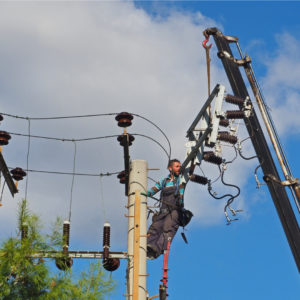
Where are the biggest challenges?
We listed some challenges that the countries of the region must address:- Guarantee a sufficient, continuous, and high-quality supply in health centers and other basic services such as water supply and management. There is also a need to secure support for all health centers.
- Guarantee the occupational safety of essential workers for the operation and maintenance of the electrical system.
- Provide mechanisms to guarantee the affordability of energy services: both to the vulnerable population and to the population in general, whose income is also affected considerably as a consequence of the pandemic.
- Establish a strategy to guarantee the financial and operational sustainability of the sector, considering the loss of income due to the decrease in demand and the delays or lack of payments for the provision of the service. The amount of the losses will depend fundamentally on the measures adopted by the countries and the fall in electricity demand. This challenge is not solely important during the crisis, but it must be addressed even more during the recovery.
Te has preguntado ¿qué tan dependiente somos de la #energía eléctrica? El acceso a la electricidad es fundamental más que nunca, especialmente para atender la demanda de hospitales y puesto de salud. Descubre los retos del sector en este blog: https://t.co/RHriveQVa0#coronavirus pic.twitter.com/zHZSLxhumQ
— BIDenergía-IDBenergy (@BIDenergia) March 27, 2020