Advance a cost-effective, secure, resilient, and sustainable energy services for Latin America and the Caribbean.


At the IDB, we are committed to supporting countries across Latin America and the Caribbean in building reliable, affordable, secure, sustainable, and resilient energy systems aligned with their development priorities and natural endowments.
Our objective is to help countries expand opportunities for growth, strengthen competitiveness, and improve living standards through better energy services, stronger institutions, and sound sector policies.
In this context, the IDB leads the preparation of energy policies, strategies, operational guidelines, and sector programs; generates analytical work, evidence, and knowledge products on key issues facing the sector; and provides specialized technical support to operations and activities in borrowing member countries.
Energy underpins most modern human activities and is a critical input in the production of goods and services, directly affecting cost structures, productivity, economic competitiveness, and the cost of living.

Latin America and the Caribbean countries have a unique energy profile: a primary energy supply dominated by fossil fuels alongside the world’s cleanest electricity mix. More than two-thirds of the region’s primary energy mix is derived from fossil fuels (oil, natural gas, and coal), reflecting the continued importance of these sources in transport and industry. Approximately 60% of its electricity is generated from renewable sources—predominantly hydropower but increasingly solar and wind as complements. Several countries generate the vast majority of their electricity from renewables, so the region average lies well above the global average of generation from renewable energy sources, which stands at around 30%.

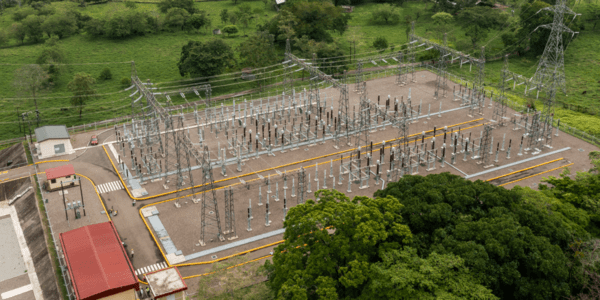
Regional energy integration can enhance system flexibility and reliability by enabling countries to share resources, manage variability more effectively, and support one another through cross-border electricity exchanges.

The IDB Group supports countries’ priorities by promoting a diversified energy portfolio that recognizes the complementary role of different energy sources. This approach strengthens energy security and resilience while ensuring access to affordable, reliable, and high-quality energy services that reduce poverty, support inclusion, improve living standards, and expand economic opportunities.

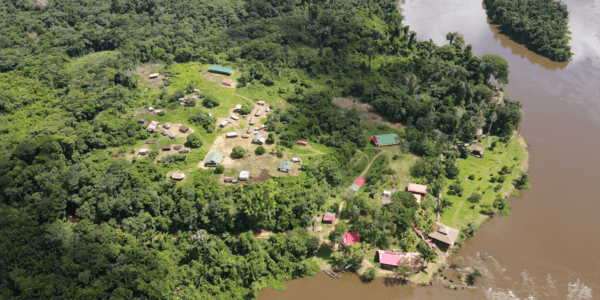
While the region has made significant efforts over the past decades to expand electricity access, especially in reducing the urban-rural gap, achieving universal coverage remains a challenge. Nearly 18 million people still lack access to electricity services, underscoring persistent last-mile gaps and the need for targeted interventions to reach the most remote and underserved communities.



Ensure availability and sustainable management of water, sanitation and solid waste services for all.
Improve people's quality of life by implementing transportation and infrastructure initiatives.