The Latin American region has experienced numerous changes in 2016: new governments have been elected, new priorities have been identified, and many legislative changes have taken place. And yet, in spite of the institutional changes, the same environmental and social challenges remain in place throughout the region. Take legislation, for example—although it is overall adequate, there are significant differences in terms of implementation.
Sostenibilidad
Yes I admit, this is a bombastic title to catch your attention and I am not an historian so my answer will not be authoritative. But there are indicators.For over a decade there has been a growing trend in the financial sector to actively address and manage sustainability of investments, not only on the financial side, but also the social and the environmental dimensions of sustainability. Some milestones along this way:
En una región altamente vulnerable a los impactos del cambio climático como los es América Latina y el Caribe es indispensable hablar del término “blindaje” en infraestructura.
Just over a month ago, the Paris climate agreement came into effect securing its place in the record books as one of the fastest multilateral agreements ever to enter into force – less than a year after its adoption. At the recent UN climate change negotiations in Marrakesh, Morocco, countries reaffirmed their commitment to the Agreement.One of the most important challenges that Central America (and the LAC region in general) faces this decade is being able to close the infrastructure gap with investments that are sustainable and climate resilient, while encouraging economic growth in the region. In an era of climate change, where too much or too little water is likely to be a leading issue, a sector that is particularly interesting to look at is hydropower.
Women speaking up for themselves and for those around them is the strongest force we have to change the world.
-Melinda Gates
Recently we celebrated Human Rights Day. One way that women’s human rights are put at risk is that they are more likely to be marginalized from decision-making spaces. Although this may pose a greater threat for poor and vulnerable women who have few resources to protect themselves against harm, even those women with high-powered positions face marginalization and invisibility at times.There is a growing awareness of the benefits and value of Caribbean coastal environments and marine biodiversity (coastal capital). For example, coral reefs alone provide an annual net economic value between US$3.1-4.6 billion from fisheries, dive tourism and shoreline protection.
You may not know it, but Tacuarembó, Uruguay is the town where Carlos Gardel, one of the most prominent figures in the history of tango, was born. It is a city full of traditions; in March of every year, many visitors gather in Tacuarembó to celebrate the Feast of the Patria Gaucha. Tacuarembó is also one of the beneficiaries of the Local Development and Subnational Management Program through which the bridge over the Tacuarembó stream was built in Paso del Bote de Tacuarembó.
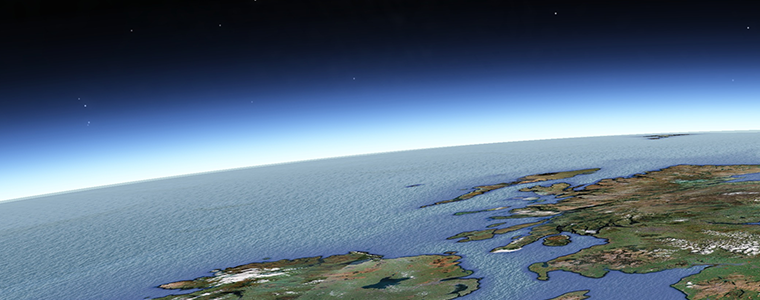
En 2015 en Paris 195 naciones alcanzaron un acuerdo histórico para combatir el cambio climático con un compromiso común para mantener el aumento de la temperatura en este siglo debajo de los dos grados centígrados. Todos los países presentaron sus planes nacionales de reducción de emisiones lo cual era una muestra de la responsabilidad compartida de luchar en contra del cambio climático.